Tuesday, April 29, 2014

What Makes a Good Parent

There is no such thing as a perfect parent; good parenting can be so relative, but there are some stand-out qualities.

The most important one is unconditional love and support.


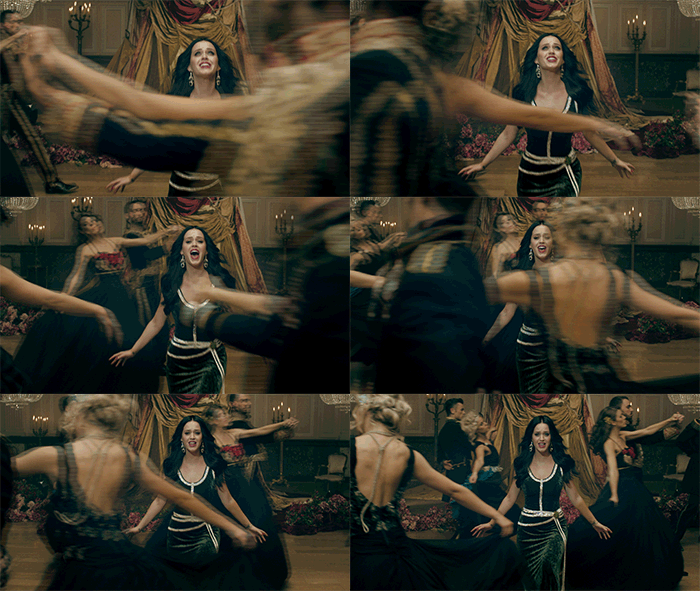
Katy Perry - Unconditionally
(seemed to fit)

In the beginning of The Help, the readers are introduced to Aibileen, a southern black woman who is the help for a young family of three. Along with cooking and cleaning, Aibileen takes care of Mae Mobley, or Baby Girl, as she calls her employer's, Miss Leefolt, baby daughter. Miss Leefolt is a first time mom, and is only 23, and has little idea of how to take care of her child. The first evidence of this fact is when Mae Mobley is a little baby and she won't stop crying. Instead of picking up and comforting her daughter, Miss Leefolt looks at the baby, terrified, and asks Aibileen, "What am I doing wrong? Why can't I stop it?". Aibileen goes to point out that by calling her daughter 'it', there had to be something wrong with the mother-daughter situation. 
This instance isn't the only one where Miss Leefolt ignores Mae Mobley. Miss Leefolt pays more attention to her bridge dates with her girlfriends and the local gossip than caring for her child. There was an instance where Miss Leefolt was talking on the phone, and Mae was trying to get her mother to pick her up and hold her, but she pulled on the phone cord and in response her mother slapped her. After Miss Leefolt struck Mae, she said, "Don't you ever touch this phone again, Mae Mobley!". She then went on to scold Aibileen for not keeping her child away from her. In response to her mother's reaction, Mae acts out by whacking Aibileen in the ear as she was working on comforting her.


Even though Aibileen lost her son, she still has compassion for children, and cares more about Miss Leefolt's daughter than she does. She loves Mae even when she acts out or cries or complains, where as Miss Leefolt ignores her and only pays attention to her when she feels like it.


Unconditional love is the single most important quality that is taken to heart by a good parent. The love should be easy, and not forced, and the mother or father should WANT to support and comfort their child no matter what, and not only when it is convenient.

Monday, April 7, 2014

Society's Drive and Impact

Society and the events that occur in a given time period are definitely the driving force behind the literature written and published at the time. Events can inspire stories and be explained through made up characters who go through the hardship. Writers can use certain events going on in the world to be a basis for a made up story, instead of using the exact event in their book. Society also drives the way a story is told and the words or phrases that are relevant at the time might be included. Specific words may be more prevalent in one time period more than another, and thus the books can be traced back to their time slots just based on the flow of words from the text. 

Realistic fiction is definitely inspired by real events taking place in our society, or maybe other societies. In the Kite Runner, the major world event taking place is the Soviet Union's invasion of Afghanistan. The Soviet Union invaded in late December of 1979 in support of the Afghan communist government in its conflict with anticommunist Muslin guerrillas during the Afghan War (1978-1992), and the troops remained in Afghanistan until February of 1989. (More information on the war and invasion: http://www.britannica.com/EBchecked/topic/1499983/Soviet-invasion-of-Afghanistan)


(pictures from the invasion of Afghanistan)

Although The Kite Runner is based around the war and invasion, the characters are not real, thus making the book realistic fiction. Realistic fiction is a very good way to talk about and explain a certain event, without needing a concrete, real-person story. The reader learns about the event through the eyes of Amir, along with his father, Baba, and for the beginning of the book, Hassan. The book brings into play many things that were relevant during the period, especially with the part of the story about coming to America. 'Coming to America' stories have always been very popular with Americans, mostly because it brings the text 'home', where we can relate and understand it better. Its all dandy when the story takes place somewhere out of our grasp, but we can't internalize it as well as we can if the story takes place, even for a little while, in America. Amir and Baba's American story is like many others'. Adjusting is very tough, and sometimes "the land of the free" doesn't feel so free. But America is a place of dreams, and for Amir, that means that he can be able to bury his past pretty well, at least until his father past away. 

It is evident in this book, as well as many others, that society of the time period plays a major role in the books produced in the time frame. The way the writers write have to mirror the way people talk at the time and the events should match the ones that are prevalent to the modern day person. 


Saturday, March 29, 2014

Liberate or Heartbreak

Moving can be both liberating and heartbreaking. You are offered a completely clean slate and a chance to to ally remake yourself with knew people, but you are also taken away from everything you know; your house, your friends, and your town. Moving countries is more than twice as hard.


When my father was considering college in his late teen years, he decided that instead of staying in Greece to be educated, he would go with his older brother to New York City. It was a completely new world. Although he had taken english language classes in high school, speaking it with real life people was a completely different ball game. He struggled to speak to people at his school, and became friends with other Greek immigrants, being that he felt the most comfortable with them. It took him a couple years before he branched out and became more involved in the American people/lifestyle.


My father's story sounds a lot like Amir and Baba's. They moved to American to get away from their deteriorating life in Afghanistan, and to get a fresh start somewhere where they were safe and free. Although my father didn't come to escape his country, both my dad and Baba struggled with the differences in culture, and opted to stay around people he was use to. They both made friends with others from their home country. Baba found his place in the Afghan flea market, and wasn't interested in learning better English or making American friends. He missed his country and his old life dearly.

For Amir, American was a place where he could be free of oppression, but also of his past and memories. He could remake himself, and he took the chance and was more involved in American life than his father. He went and graduated from high school, and learned a great deal more English than his father.


Moving is tough, and it is said that it takes people four years to truly adjust to their new home. It is hard to put yourself out there to people you have never met before, but once you learn what it takes, you feel more and more comfortable as time goes on.


Thursday, March 20, 2014

Trauma for Acceptance

All of Amir's childhood, he feels as though he is responsible for the death of his mother, and that his father hates him for it. Although Amir's father loves him, he doesn't show it in the ways that a normal father does. He isn't loving, gentle or proud, and because of this, Amir made it his life goal to shine in his father's eyes, and the way he plans to accomplish this is by winning the kite flying tournament. 

Amir looks to his only friend Hassan to help him win over his father. He and Hassan grew up together, and although Hassan is a servant, they love each other on a deeper level, as if they were brothers. But the friendship isn't equal; Hassan is devoted to Amir, he loves him unconditionally and would do anything for him, and while Amir also loves Hassan, he has no problem messing with him and using hime when he needs to. And in the task of making his father proud by winning the contest, Amir needed to use Hassan. The won the contest, and Hassan went to run down the kite, but he is stopped and harassed by Assef. Amir ran after Hassan, looking for the loser's kite that he thought as the key to his father's heart, to see Hassan be harassed and raped. Instead of stepping in and standing to Assef and defending his best friend, he runs. In his selfishness he was scared of being hurt by Assef, and when he found Hassan a bit after, he looked to see if he had the kite first. 

Children have trouble dealing with things that are horrible and disturbing, maybe so much though that they don't really understand what is happening. Amir felt that way, and instead of revealing how he had failed Hassan, he kept quiet, and didn't tell anyone. He had been in danger, and like most kids, he responded to the danger by running, protecting himself over anything else. He had witnessed sexual abuse, and his experience became traumatic.

 The National Child Traumatic Stress Network explains, "The witnessing of violence, serious injury, or grotesque death can be equally traumatic. In traumatic situations, we experience immediate threat to ourselves or to others, often followed by serious injury or harm. We feel terror, helplessness, or horror because of the extreme seriousness of what is happening and the failure of any way to protect against or reverse the harmful outcome,". What Amir felt and how he reacted is common for children, and even adults. In his mind he had failed Hassan, and instead of helping him after the fact by telling and adult and getting help, he was controlled by his guilt, and also that he did not want to lose the new-found respect that his father felt for him after he had won the tournament. He was selfish, but also did not really know what to do or how to react the the trauma he had experienced. Children can react by silence, not talking about it, in the hope that it will magically never have happened. The National Child Traumatic Stress Network says, "we may try our best to avoid any situation, person, or place that reminds us of what happened, fighting hard to keep the thoughts, feelings, and images from coming back. We may even "forget" some of the worst parts of the experience, while continuing to react to reminders of those moments,". Amir actively avoids Hassan, and even suggests to his father to consider new servants. 


Amir had achieved his goal to bond with his father, but his guilt held him down, and he didn't feel deserving. "I finally had what I'd wanted all those years. Except now that I had it, I felt as empty as this unkempt pool I was dangling my legs into, " (pg 85). All he thought about was that he witnessed Hassan being raped and hadn't done anything about it. One night he even said this fact out loud, but everyone who was around was asleep, ""I watched Hassan get raped," I said to no one…A part of me was hoping someone would wake and hear, so I wouldn't have to live with this lie anymore. But no one woke up and in the silence that followed, I understood the nature of my new curse: I was going to get away with it," (pg 86). 

Amir had gone great lengths to feel like his father loved him, but it came at the cost of Hassan. Amir underwent traumatic stress, and reacted common ways that a child would, be he was still cowardly. He let his best friend leave all he knew in order to stop the guilt. He took the easy way out, and never stood up for Hassan, he felt that if he did, he would lose his father's love, but instead, he made things worse for himself, and made Hassan, who underwent a whole different level of traumatic stress, feel extremely isolated, depressed and alone. Children look for acceptance, but never truly understand the cost it would take. 

Monday, March 17, 2014

Mami

Marjane's family is the most important thing to her, there's no way around it. In both the book and the movie, her strong bond with her parents and uncle is clear, but her relationship with her grandma is something special. Her grandma is around frequently in the book, and she shares her wisdom with Marji in a couple scenes, such as the one about the flowers in her bra, but the grandma comes to life, in more ways than one, in the movie.

In the movie, the characters are given a voice, and with that comes expression and attitude, and Marji's grandma sure has a lot of attitude. She takes over the role of advice-giver from Marji's parents and becomes a very important person in the young lady's life as she grows older and goes through different hardships. The grandma often gives advice on guys, friends, and what and what not to do. Marji clearly looks up to her grandma and genuinely cares about what she may think of her. At one point in the movie, (during the Persepolis II part), Marji lies to a police officer about a man on the street, and the man ends up arrested. She tells this story to her grandma, and gets a cold and strict response. She had been stupid and cruel and self-centered, and she would need to regain her grandma's respect. Marji later does when she stands up to speech-givers at her art school who were commenting on what the women should wear in order to respect themselves and to not distract the men. She asks why aren't the women taken into consideration when the men are told what or what not to wear. This show of courage impresses her grandma, and Marji feels confident again.

Through the movie, the audience also falls in love with the grandma, and sees how important she is to how Marji grows up. The grandma stays present in the movie up until the end. She supplies wisdom and comic relief that is much more potent when spoken and acted allowed. With the film, we get to see body language, more facial expressions, and the way that the character speaks, which allowed us to understand the story and the people better. In the book, the grandma is around the family most of the time, and supports Marji in all of her endeavors, but we never get to read her opinion; we never really get to know her. The book is more focused on characters such as Uncle Anoosh and several other way heroes, but the movie has more of a focus on the women in Marji's life, mostly her grandma.


Thursday, February 13, 2014

The Power of Imagination


Childhood is arguably the most important part of your life, for many reasons.

The first, (and most factual reason), is the physical development that occurs from when a baby is born to when the baby is about three years old. The baby's body changes almost daily, with the baby's core and muscles developing, the motor skills that start to come along, and the extensive cognitive and sensory development that occurs. The baby/child becomes aware of the huge world around them!


(More about early childhood development: http://psychology.about.com/od/developmentalpsychology/ss/early-childhood-development_4.htm)


The second reason childhood is so important is the vast imagination that children possess at young ages. The games that they play with themselves, friends or siblings are complex, and extremely creative. Give a young girl some blocks, little animal toys and dolls and their playroom becomes a huge zoo or beauty parlor in a quaint town. Give a couple small boys some sticks and they will have epic battles for their kingdoms all day, or maybe become jedi knights.


Marjane, (from Persepolis by Marjane Satrapi) is no different. She and her friends pretended to be revlutionaries such as Fidel Castro, Che Guevara and Trotsky, and demonstrated in front of their houses. Marji, (Marjane), like other childen, loves the idea of a war hero,  and when she didn't have her own in the family, she would make up fantastic definant prison stories about her father, and her friends would look to her with awe. She invested herself into the tales of her grandfather and uncle, and listened as carefully as anyone could, and of course, bragged to all of her friends.


Although children can understand somewhat complex ideas when they are young, they take what they hear with a sense of innocence, and might not completely understand the severity of a problem. Marji would hear the massacre stories at demonstrations and protests, and wouldn't hestitate to ask if she could attend with her parents. The excitement she felt to be there for her country to prove that she had the guts to stand up for herself overshadowed the clear danger, especially for a little girl.

I think once a child can fully understand and internalize serious issues on a more adult level, they are no longer a 'child', but at the same time, I don't feel like a person becomes a full adult until they leave their family and gain independence. Marji became more grown up throughout the book as she understood more and more about the horrible things that happened during the revolution, and her sense of innocence was diminished. She grew up, but I still don't consider her to be a full adult because even though she left her country and parents, she still has to rely on another family in Australia.

Monday, February 10, 2014

What Makes For An Exemplary Blog?

Contemporary Literature Assignment - Unit 1: Reviewing Blogs

Even though I am no where near an adventurous or motivated cook/chef, I have been following a wonderful blog called "Eat Yourself Skinny" after I saw the recipe for lavender lemonade. See URL below…


This blog features interesting and exciting healthy recipes explained by Kelly, "a 20-something foodie with a passion for cooking and a huge desire to show that a healthy lifestyle can actually be easy and fun", and author of the blog. 

"Eat Yourself Skinny" offers a new healthy recipe every day, and the recipes span from breakfast to dinner and everything in-between. Every post starts with the name of the dish and a beautiful picture of the final product. Kelly often offers some personal info linked with the dish, and explains the different healthy aspects of ingredients and cooking methods. She then has a normal, easy to follow recipe with an ingredient list and instructions. She also adds the nutritional information at the bottom of the post. 

Kelly's blogs fits well into the requirements of a great, easy to follow blog. The pictures are magnificent (she is a professional food photographer), and the writing portions of the blog posts are relatively short, and very easy to read. Her informal, first person writing style and personal stories make the reader feel as if they are hearing it first hand! Even though the title of the blog is "Eat Yourself Skinny", the blog is not all about weight-loss, but about delicious healthy dishes that are as good for you as they are tasty! 

Being a "foodie" is definitely not required for this blog; I usually find cooking EXTREMELY frustrating, but I love reading the recipes and seeing all off her beautiful pictures! 

Just for fun, here is the recipe that got me hooked on this blog!

http://www.eat-yourself-skinny.com/2012/09/lavender-lemonade.html